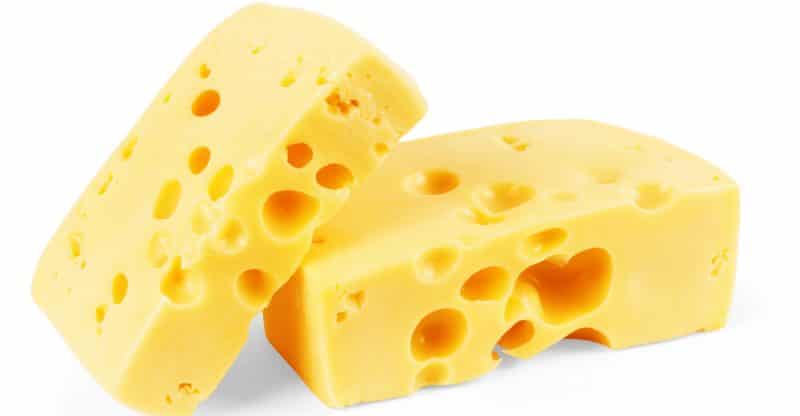
Guys, guess what? I love cheese! It has been my saving grace this week. My lunches have mainly been mac and cheese, and well dinners have not been, but don't worry, they were still vegetarian! I have made sure that my food has been local too. The cheese I bought is also made locally; it's from Bellevue (though I don't know if it is organic). I also only went out to eat one time this week, which was way better than last week when I went out to eat three times.

By eating locally, I can cut down on the distance that food travels, which is on average 1,500 miles (1), or flying from here to here to Nebraska, which produces .406 tons or 368,317 grams (.406 x 907185) of carbon dioxide (3), which is about 812 pounds (36,8317/0.05) which is how much 4 baby elephants weigh!

Though this week I flopped. I ate chicken and it wasn't the weekend yet. I was hungry and it was just there. Maybe it was because I ate meat on the weekend and then completely forgot that I was supposed to be a vegetarian. Anyways, I still flopped, but to make up for it, I'll be vegetarian on like Saturday.

At this point though, I need to access whether or not my new eating habits are reducing my carbon footprint. According to Vegeroo, a vegetarian saves 300 grams of carbon dioxide a day compared to a normal diet (2); that's like a little over half a water bottle. I know that does not sound like a lot, but as time goes by, in a year being a vegetarian will save up to 109,500 grams of carbon dioxide (300 x 365), which is like as much as 2 Great Danes weigh! But what if more people were vegetarian? If everyone in Seattle were vegetarian for only a year, that would save 79,359,577,500 grams of carbon dioxide (109,500 x 724,745), which is like 174,957,920 pounds, and that is as much as 437 blue whales, or the nearly whole population of San Diego!
I was surprised at how much carbon dioxide is saved simply by just becoming vegetarian. Though it is not a lot on a small scale, but as more and more people become vegetarian, it will accumulate to a huge amount of carbon dioxide saved! Despite having said this, the sources where I got my calculations do not consider how much carbon dioxide someone would save by eating locally and being vegetarian.
References:
- http://www.worldwatch.org/node/6064
- https://www.vegaroo.co/calculator
- https://co2.myclimate.org/en/portfolios?calculation_id=1463554
I never knew being a vegetarian saves 300 grams of carbon dioxide a day! Maybe I'll try it out soon!
ReplyDeleteThese calculations are setup great, but we want to hear your feelings about the impact. What do you think about these numbers?
ReplyDelete